3 rules you can’t ignore when hiring remotely | Karbon Magazine
3 rules you can’t ignore when hiring remotely
Working from home is nothing new. But when COVID-19 hit, the acceleration of this trend went from a jog to a sprint. Expecting staff to be in the office 9-5, 5 days a week, is no longer realistic.
Even when the pandemic has passed, this appetite for flexibility will not go away. If you don't already, you must now consider your accounting practice as a work-from-anywhere business. And this starts with how you think about hiring.
The days of interviewing and hiring in-person are likely gone—at least for the foreseeable future. You’re also no longer bound by location, which can be an exciting and potentially daunting prospect.
Before you start your hiring process for remote employees, it's important to understand what makes people successful in a remote working environment.
The best candidates for remote work:
Are action-oriented. Even if you don't give this type of person a to-do list, they'll still keep themselves occupied with meaningful tasks.
Have the ability to prioritize. When starting any new position, the most important tasks might not be apparent to a new hire right away. In a remote position, this is even harder. New hires who can prioritize early—or at least understand the importance of prioritizing tasks—will perform well.
Haveexcellent communication skills. A lot of the communication in remote teams occurs in text formats such as emails, chats, or private messages, but it's easy to be misunderstood in text form. So, someone who struggles with clear and concise writing will also struggle to work remotely. Their messages should be tactful and easy to understand.
Karbon is our rocket booster that’s allowing us to grow at 40% to 50% year‑over‑year.
Are trustworthy. If you are unable to trust a new remote hire, then not seeing them every day may cost you sleep. Make sure you hire team members you can trust.
Are comfortable asking for help. It’s more difficult to gauge how well a new hire is settling into their role when working remotely. It’s important that they are comfortable in raising concerns and asking questions not only during their onboarding, but on an ongoing basis.
3 tips for hiring remotely
Before you begin your remote hiring process, meet with your management team to create an objective checklist you can use to evaluate candidates. This will help you focus on exactly what position you need to fill, and the ideal characteristics of the person who will ultimately fill it.
Consider the following tips for making the most out of your remote hiring process:
1. Split the interview into two parts
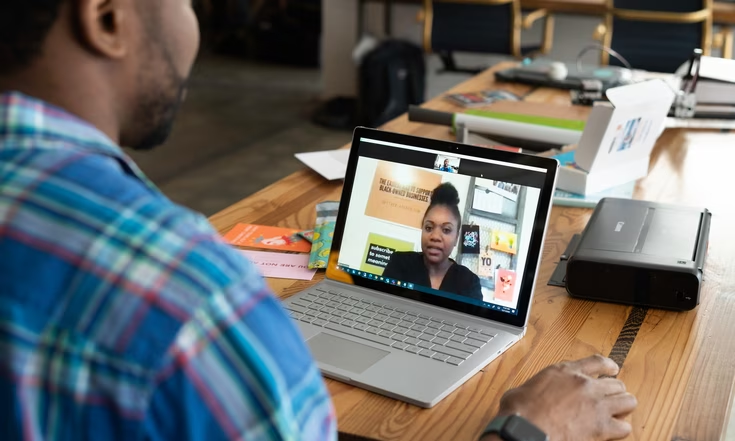
Normally, when you interview in-person, you’re able to observe certain cues that may help to form your opinion on someone’s suitability for the role. But via Zoom, these cues are more difficult to capture.
Consider splitting your interview into two parts: one for a more casual meeting, and the other for a more in-depth interview.
This way, you’ll give both parties a chance to gather well-informed first impressions.
The inability to meet someone face-to-face may cause you some anxiety. It’s natural to have some hesitation about hiring someone if you don’t actually get the chance to meet them. Another simple way to work around this issue is by asking your trusted network (either internally or externally) for referrals.
Ask people you trust, for recommendations of people they trust. This way, you’re already on the front foot.
3. Use technology to your advantage
By leveraging the right tech, you can offer a straightforward and thorough process both for yourself, and your potential hires. Make sure you use the following to get the most out of the process:
Video conferencing tools. Tools like Zoom are crucial when hiring remotely. You need to ‘meet’ (as best you can) your potential hires. This is a non-negotiable.
Workflow management tools. Using workflow management tools like Karbon to manage your hiring process will ensure your hiring team/ management are on the same page, and no parts of the process are forgotten.
Remote hiring isn’t a one-size-fits-all operation. Certain positions may require extra effort during the remote interview process—say, an exercise that tests a candidate’s ability to communicate with various types of people for a Customer Success Manager position.
But by embracing a remote hiring process, you’re able to broaden your talent pool. And remember, you don’t have to be a 100% remote workforce forever. A significant benefit to most potential talent is simply the flexibility to work remotely.
By making the most out of the process by using trusted referrals, getting to know candidates, and leveraging a solid tech stack, location will no longer be a barrier to building your own world-class accounting team.
Working remotely has its own set of challenges—feeling isolated, becoming distracted and remaining physically active, just to name a few. Here are some strategies you can use to overcome them.
Working remotely has its own set of challenges—feeling isolated, becoming distracted and remaining physically active, just to name a few. Here are some strategies you can use to overcome them.
When a team is working from different locations it changes the dynamic of leadership in many ways. Here are some techniques to ensure all staff still work effectively.
When a team is working from different locations it changes the dynamic of leadership in many ways. Here are some techniques to ensure all staff still work effectively.


 G2.com